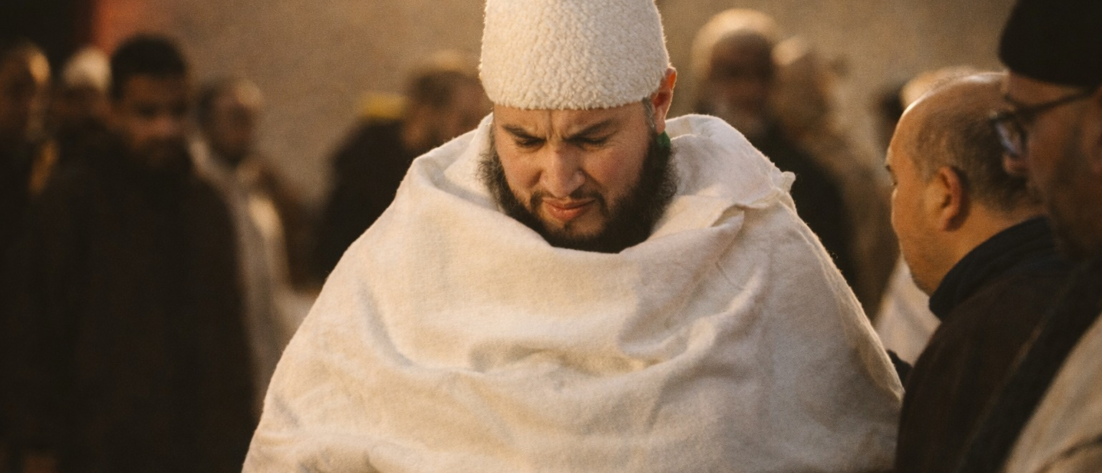
Prolonged imitation of a model is never neutral. It influences the way one holds oneself, one’s gestures, one’s facial expressions, and can even transform the way a person expresses their personality through their appearance. Gradually, the body takes in what the mind values or admires. This subject has been explored by social psychology, neuroscience, sociology (the incorporation of norms, Bourdieu’s habitus) and also anthropology (bodily and cultural learning).
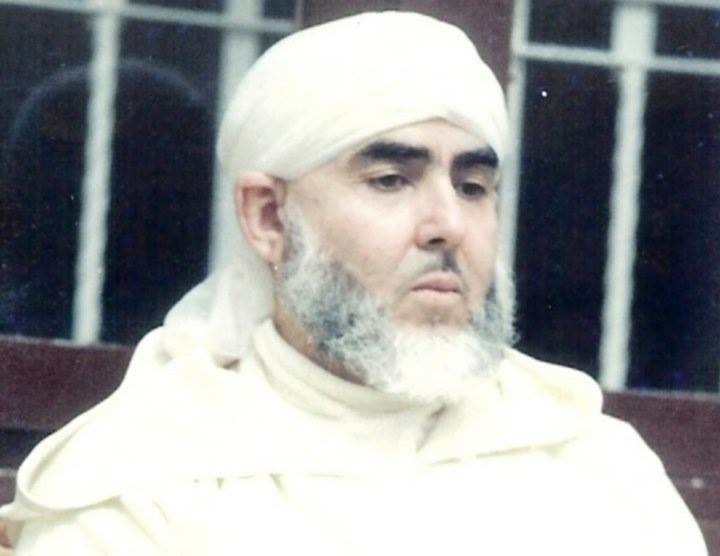
From Imitation to Inner Transformation (Takhalluq)
When the disciple attaches himself sincerely to his master, he does not seek to resemble him outwardly, but rather to be transformed inwardly (takhalluq). When the deep essence of an individual changes, his visible aspect may bear its signs. The face does not become a copy, but the reflection of an inner condition.
In the Sufi tradition, it often happens that sincere attachment to a spiritual guide produces visible effects, not on physical appearance as such, but rather on one’s general bearing and way of presenting oneself: the gaze becomes calmer and steadier, movements grow quieter, and the expression of the face loses all trace of agitation or scattering.
The Strength of Companionship: Suhba and Adab
The masters have constantly stressed the importance of what is called suhba, that is, assiduous and prolonged frequentation, the gradual and implicit absorption of their influence, the conscious adoption of their moral values, respect for the appropriate codes of conduct (adab), and the integration of their spiritual dynamic. Over time, this inner harmonisation may become manifest.
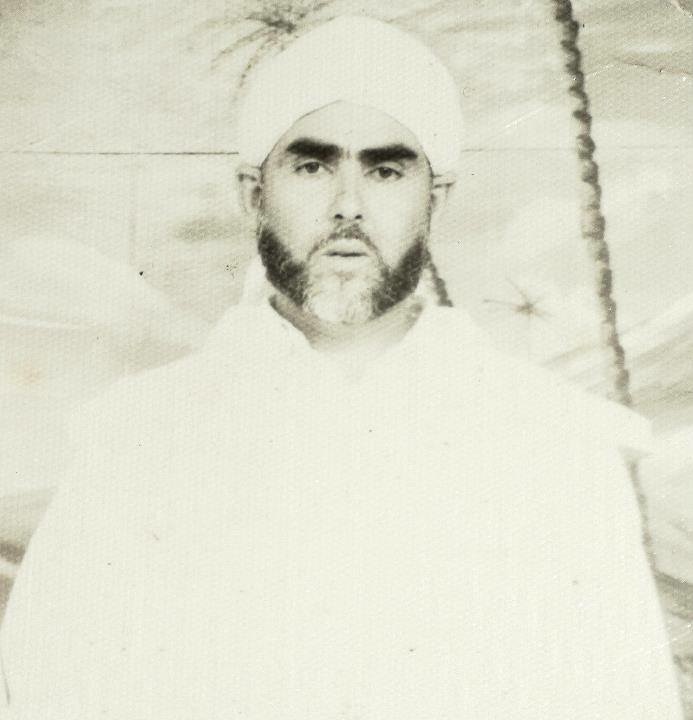
The Influence of the Soul on the Body
It is neither a sudden and unexplained transformation, nor a deliberate imitation, but rather the indirect consequence of inner work, an authentic personal effort.
This is why the sages also warn against superficial mimicry, at-tashabbuh bi-ghayr tahqiq, that is, the adoption of appearances without real interiorisation or deep understanding. True conformity or similarity is never an end in itself; it is, at most, a mere consequence.
Understanding is not acquired from books. It would be too easy to bend down and pick up all the books dealing with Sufism in order to acquire it. True knowledge will come to you from within, from your heart. Only the heart understands. It understands that nothing is outside God.
Sidi Hamza
They then speak of:
- taʾthir ar-ruh fi al-badan: the influence of the soul on the body,
- nur al-suhba: the light of companionship,
- athar al-warith: the trace of the transmitter.
The Authenticity of the Successor: Beyond Appearances
The aim is not to reproduce or imitate another, but rather to deepen one’s own authenticity in connection with what one has inherited or assimilated.
This may be regarded as one of the criteria for distinguishing the true successor of a master or guide. Nevertheless, this successor is not characterised by a superficial resemblance to his guide. Rather, it happens that the one who has truly integrated a teaching or knowledge bears its mark or imprint involuntarily.
The Pillars of Spiritual Recognition
In the order of priorities, this criterion comes only after the fundamental elements:
- respect for Islamic law (Sharia),
- propriety and moral integrity,
- selfless and unreserved service to the spiritual master and to the tradition,
- the expression of the inner Secret in conduct and in the orientation of souls,
- as well as the ever-growing approval of people outside the Way, drawn by the light of the Secret
It is only from that moment that outward traces may become visible, not as the origin of the heritage, but as one of its possible outcomes.
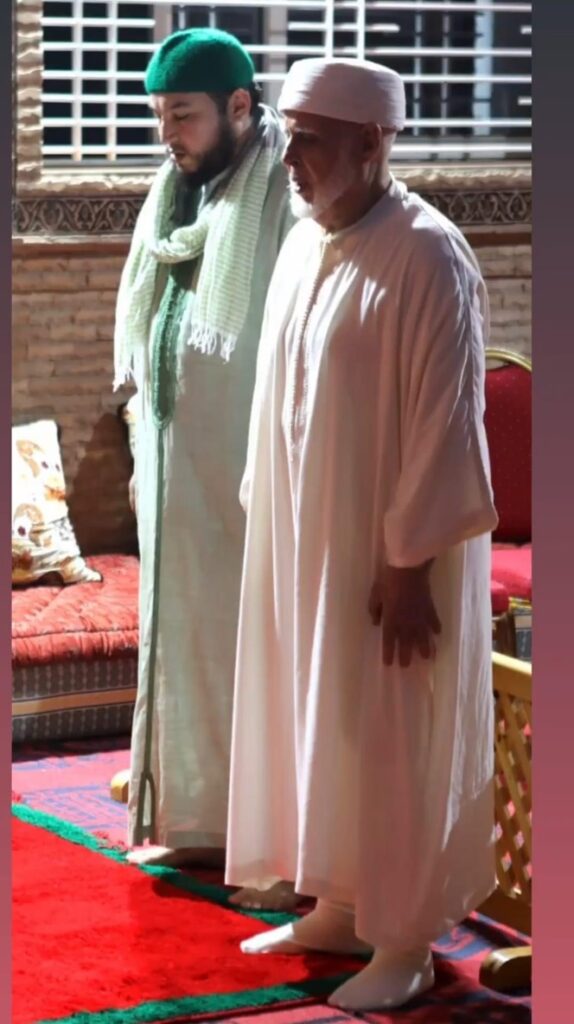
by Sidi Rachid HAMIMAZ